
Hybrid IT in 2026: What I’m Hearing From Cloud, IT, and AI Leaders
In my role as a Business Development Representative, I spend my days talking with CIOs, cloud leaders, infrastructure teams, and security professionals across industries. I’m not designing their architectures — but I do get a front-row seat to how their thinking is changing.
As we head into 2026, one pattern keeps coming up again and again:
Hybrid IT is no longer a transition phase. It’s the default operating model.
Not because vendors are pushing it — but because reality is.
The Cloud Conversation Has MaturedA few years ago, most conversations started with:
“We’re moving everything to the cloud.”
Today, they start with:
“We’re trying to decide where each workload actually belongs.”
That shift matters.
The organizations I speak with aren’t anti-cloud. Far from it. They’re simply past the hype phase and into the optimization phase — balancing cost, performance, security, compliance, and now AI economics.
This mirrors what firms like Gartner have been reporting consistently: hybrid and multi-cloud aren’t future strategies — they’re enterprise reality.
Cloud Cost Fatigue Is Real (and Nobody Wants to Say It Out Loud)
One of the most common themes I hear — often quietly — is concern over unpredictable cloud spend.
Cloud absolutely delivers speed and flexibility. But for:
- Predictable workloads
- Always-on systems
- Data-heavy environments
many teams are asking hard questions about long-term OPEX.
The example that often gets cited is Basecamp, which publicly shared how reassessing cloud-only assumptions saved them significant money by bringing stable workloads back on-prem.
What’s important here isn’t the move itself — it’s the mindset:
Cloud is a tool, not a default.
That framing opens honest conversations across IT and finance.
AI Changed the Economics — Especially at Inference
AI has accelerated this shift dramatically.
What I’m hearing in 2026:
- Model training is planned and budgeted
- Inference is the surprise cost
- Data gravity matters more than ever
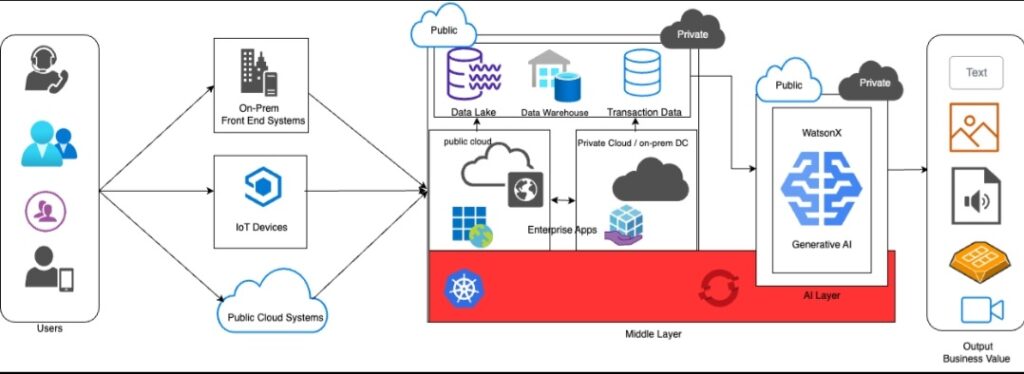
Moving massive datasets to the cloud for real-time AI decisions is expensive, slow, and often unnecessary. As a result, many organizations are:
- Running inference closer to the data
- Using on-prem or private cloud GPU resources
- Leveraging the cloud selectively for burst or experimentation
This aligns with strategies emerging across platforms from Microsoft, AWS, and Oracle — hybrid by design, not by accident.
Hybrid Isn’t a Compromise — It’s About Control
A big misconception I still hear is that hybrid means “we couldn’t fully modernize.”
In reality, the leaders I speak with see hybrid as regaining control:
- Control over costs
- Control over sensitive data
- Control over compliance and governance
- Control over resilience
This is especially true in healthcare, financial services, and regulated industries, where AI introduces new governance and audit requirements.
Hybrid allows innovation without surrendering accountability.
Legacy Systems Are Still Running the Business
Another consistent theme: legacy systems aren’t going away anytime soon.
Despite years of cloud-first messaging, many core platforms:
- Are deeply embedded
- Handle massive transaction volumes
- Would be risky and costly to fully migrate
As Satya Nadella has noted, cloud strategies have to coexist with decades of existing infrastructure. Hybrid enables progress without disruption — and most leaders see that as pragmatism, not resistance.
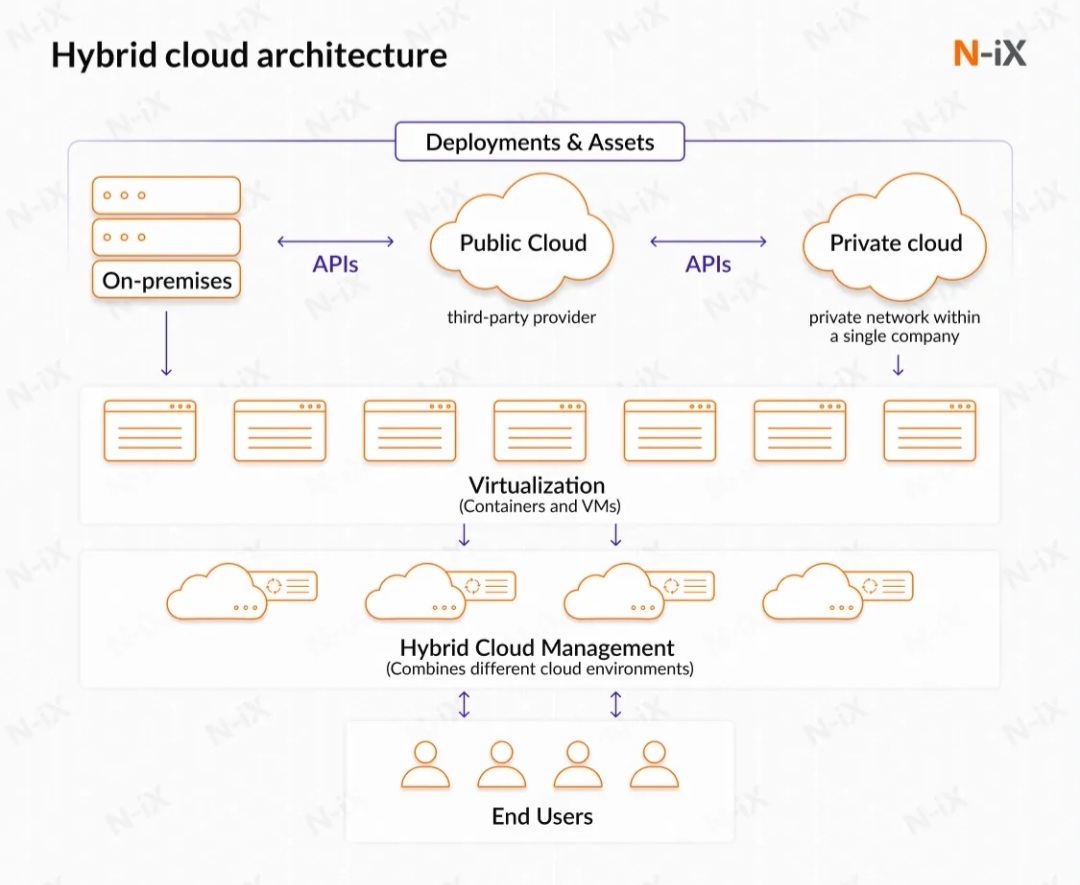
What “Hybrid” Really Means Heading Into 2026
What’s changed most is how hybrid is defined.
It’s no longer about a 50/50 split.
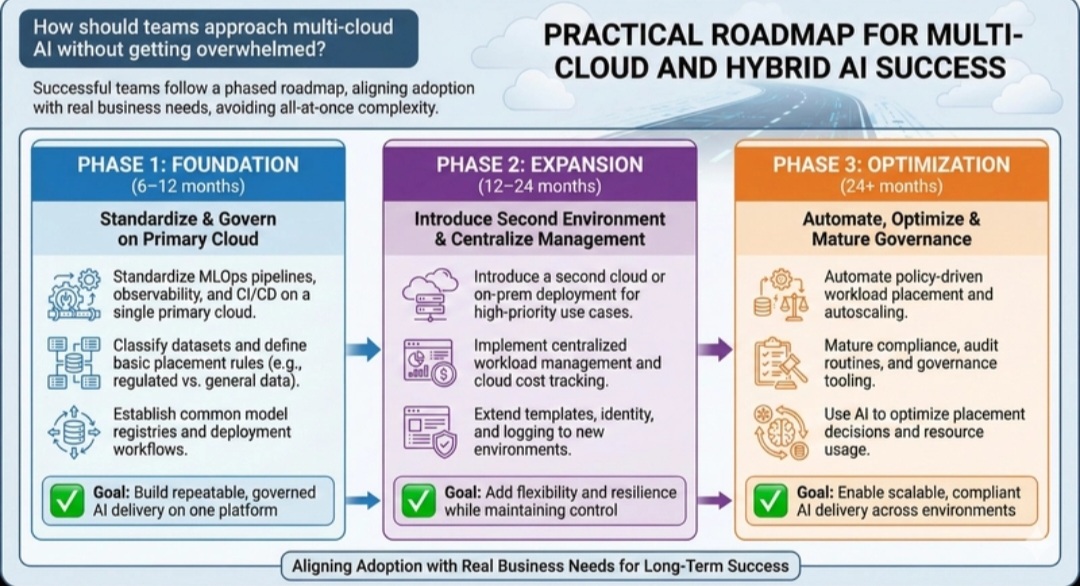
It’s about policy-driven placement:
- Cost thresholds
- Latency requirements
- Security classifications
- Compliance mandates
- AI data gravity
In other words:
The workload decides where it runs — not the vendor.
That’s the mindset I’m hearing consistently from mature IT organizations.
Why This Matters for Business and IT Leaders
From my seat, the organizations best positioned for 2026 aren’t chasing trends. They’re:
- Asking better questions
- Challenging assumptions
- Designing for flexibility
- Treating cloud as an accelerator, not a reflex
Hybrid IT isn’t about old vs. new anymore It’s about aligning technology decisions with business reality — especially in an AI-driven world.
Final Thought
If you’re in IT, cloud, security, or finance and this sounds familiar, you’re not alone.
These are the conversations happening every day — often off the record — and they’re shaping how infrastructure decisions are really being made heading into 2026.
🎯 Discovery Questions Based on this Hybrid IT in 2026 Article
Here are the 5 highest-impact discovery questions pulled directly for you to ask.
Top 5 Discovery Questions
- “In the conversations I’m having across IT teams, hybrid IT is no longer a debate — it’s assumed. How does your organization approach workload placement today?”
- “Where are you seeing the biggest cost impact from AI right now — training, or ongoing inference workloads?”
- “Are there workloads where cloud made sense initially, but long-term costs or operational challenges are making you reconsider on-premises or hybrid options?”
- “How are compliance, data residency, or security requirements influencing where critical workloads run?”
- “Out of cost, AI, security, and resilience, which is the most urgent priority for your team heading into 2026?”
These five questions touch:
• Cost
• AI
• Security,
• Legacy systems
• Strategic priorities
About The Author