
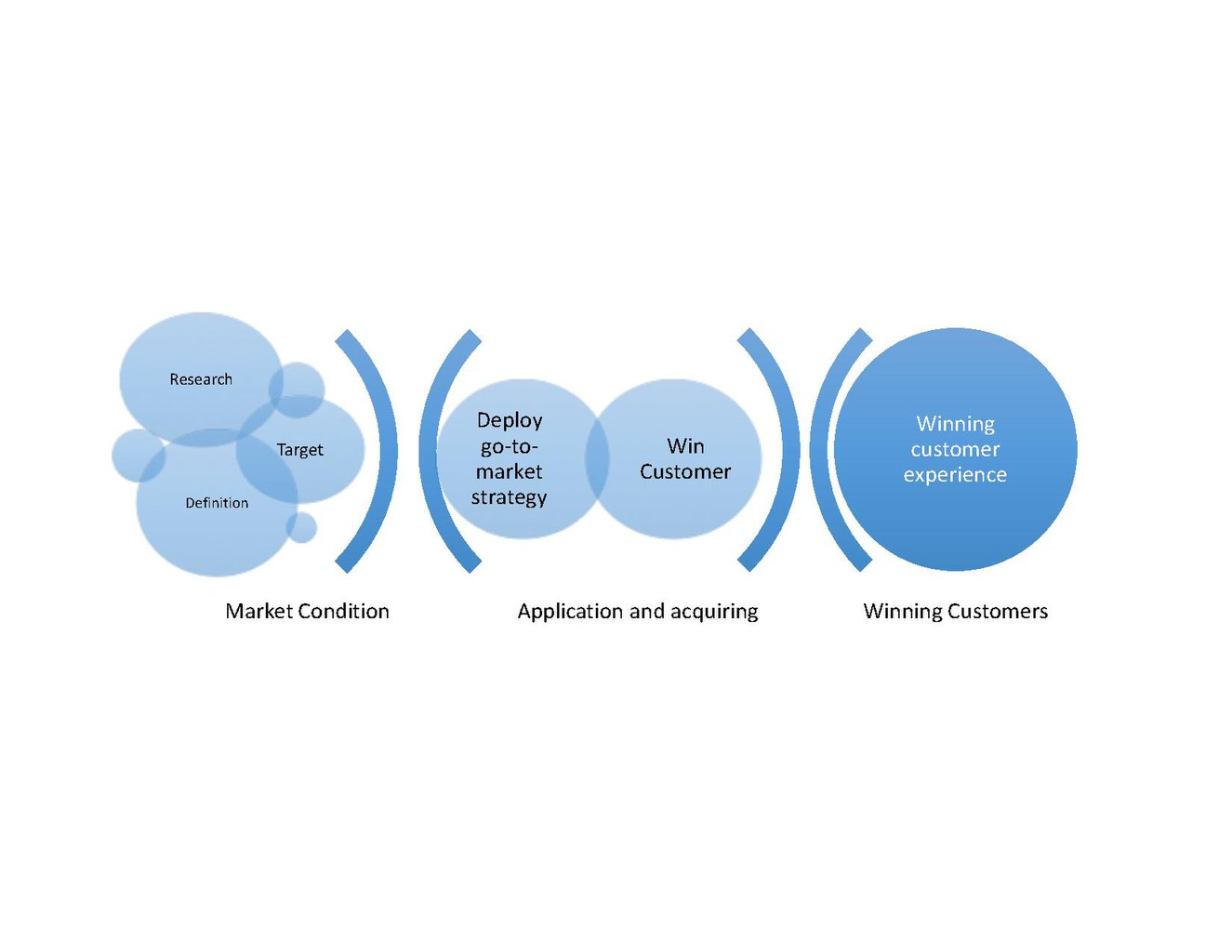
A Go-To-Market strategy, or GTM strategy, is the plan of an organization, utilizing their outside resources (e.g., sales force and distributors), to deliver their unique value proposition to customers (“go-to-market”) and achieve a competitive advantage. The goal is to enhance the overall customer experience by not only offering a superior product and/or more competitive pricing, but also creating a clear framework and plan to penetrate a defined market and/or target audience.
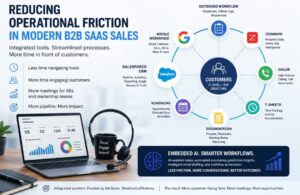
Execution at scale requires mastering each stage of the revenue motion—from handling objections with effective rebuttals (objection handling frameworks), to setting qualified appointments and managing calendar confirmations (appointment setting systems), to ensuring seamless meeting handoffs between teams (sales handoff process). Integrated platforms such as Salesforce and Google Workspace enable alignment, visibility, and operational efficiency across the pipeline.
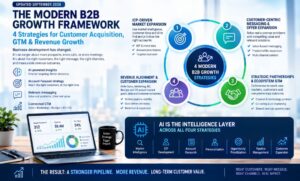
In 2026, GTM strategies are increasingly powered by artificial intelligence, real-time data, and automation—allowing organizations to predict demand, personalize engagement at scale, optimize messaging dynamically, and accelerate revenue growth while continuously refining ICP targeting, campaign performance, and conversion outcomes.
1. Development: Defining Your Market and Value Proposition
The foundation of any GTM strategy begins with understanding the target market. Companies must define prospective buyers, analyze existing customers for expansion opportunities, and determine whether they can leverage current relationships.
AI-driven customer segmentation, intent data, and predictive analytics now allow organizations to identify high-probability buyers before outreach begins. This increases efficiency, reduces wasted effort, and improves conversion rates.
After defining the market, the next step is crafting the value proposition. This involves differentiating your offering in ways that matter to the target audience. Messaging should resonate at every stage of the customer journey, reinforced by structured outreach campaigns (messaging & positioning).
Pricing strategy is equally critical. Modern approaches include dynamic pricing, usage-based models, and AI-assisted optimization that adjusts pricing in real time based on demand, competitive activity, and customer behavior. A notable example is Adobe’s shift from selling Creative Suite as a one-time purchase to subscription-based plans through Adobe Creative Cloud, including flagship products like Photoshop and Illustrator.
Finally, choosing the right distribution channels and promotion strategy is key. Omnichannel approaches—integrating digital, social, marketplace, and direct sales—combined with AI-driven hyper-personalization, now define GTM success.
2. Driving Factors for GTM Success
Customers
Delivering exceptional customer experiences drives loyalty, advocacy, and long-term growth. Modern expectations include instant, personalized, and frictionless interactions through AI chatbots, recommendation engines, and self-service platforms.
Prospects may not yet know your brand exists. GTM execution requires targeted outreach via multi-touch campaigns, conversational marketing, and AI-powered content generation. Structured lead scoring—including MQLs, PQLs, and AI-prioritized leads—ensures the organization focuses on high-intent opportunities. Advanced analytics dashboards provide real-time visibility into funnel performance and campaign effectiveness.
Company
A company’s mission, vision, and internal alignment are decisive in GTM execution. Modern strategies leverage Revenue Operations (RevOps), aligning sales, marketing, product, and customer success into a unified system.
Operational execution includes appointment setting, calendar confirmations, and handoff workflows (appointment setting systems, sales handoff process). Platforms like Salesforce and Google Workspace provide the backbone for operational efficiency, visibility, and reporting. AI tools assist with forecasting, prioritization, and strategy refinement.
Competition
Understanding competitor strategies informs product development, pricing, and positioning. Traditional SWOT and PEST analyses are now augmented by AI-powered competitive intelligence, monitoring pricing, messaging, customer sentiment, and product changes in real time.
3. Market Segmentation and Targeting
Market segmentation allows companies to divide prospective customers into groups with shared needs. Modern AI-driven segmentation adds behavioral, psychographic, and technographic data to create micro-segments or even “segments of one.”
Key factors include:
- Industry and vertical
- Customer size and potential
- Geography and usage patterns
- Benefits earned and profitability
Intent signals and engagement scoring (ICP framework)
This level of precision enables highly personalized messaging, outreach, and offer design.
4. Execution: Campaigns, Messaging, and Revenue Operations
GTM execution transforms strategy into measurable actions:
1. Messaging & Value Propositions – Tailored to ICPs and micro-segments (messaging & positioning)
2. Multi-Touch Campaigns – Email, phone, social, and ABM outreach with defined cadence (outbound campaigns & cadence)
3. Objection Handling & Rebuttals – Predefined responses increase conversion (objection handling frameworks)
4. Appointment Setting & Handoffs – Coordinated calendar management ensures seamless prospect-to-sales engagement (appointment setting systems, sales handoff process)
5. CRM & Collaboration Tools – Salesforce and Google Workspace enable tracking, reporting, and pipeline alignment
AI augments every step—optimizing timing, personalization, and outreach effectiveness.
5. From Marketing to GTM
While marketing strategy defines long-term positioning, GTM is execution-focused. In 2026, the line between the two is blurred. GTM now operationalizes marketing insights, data, and automation to bring products to market efficiently and scale faster.
6. Example: Strategic Portfolio Management
Consider a company in strategic portfolio management solutions. Using AI-driven segmentation, the firm identifies whitespace opportunities and underserved segments. Execution involves ABM campaigns, personalized outreach, objection handling, and seamless handoffs. Customers engage via direct sales, web portals, or digital platforms, with frictionless self-service options, onboarding, and embedded payments. Post-sale, AI-driven customer success tools monitor adoption, predict churn, and drive upsells to maximize lifetime value.
Closing Thought
A modern GTM strategy is no longer static—it is a living, adaptive system powered by data, AI, and continuous feedback loops. Organizations that embrace this evolution move faster, connect deeper with customers, and outperform competitors in rapidly changing markets.
To learn more about advanced GTM strategies, visit Tony Crilly on LinkedIn or explore detailed frameworks on my site: ToneMansBlog.com.
About The Author