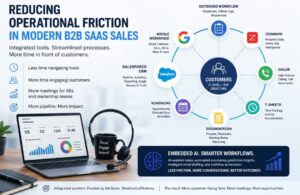


Customers today want four main things: to get value, to feel known and respected, to resolve issues quickly with minimal effort, and to trust that you’ll keep improving based on their feedback (salesforce +2)
What customers want now
• Good value: Reliable products/services at fair prices, with clear information and no surprises. (salesforce +1)
• Ease and speed: Simple processes, fast responses, and issues resolved in as few steps as possible.(Zendesk)
• Personalization: Communications and offers that reflect their history, preferences, and situation, not “one-size-fits-all.”(Salesforce)
• Respect and empathy: Being listened to, taken seriously, and treated as a person, not a ticket number.(Zendesk)
• Consistency across channels: A connected experience whether they are on the phone, web, app, or in person.(Salesforce)
• Evidence you listen: They see surveys, feedback, and complaints actually drive visible changes. (llchamber)
Example: A bank app that is easy to use, remembers your usual transactions, answers questions 24/7, and clearly acts on feedback (e.g., “You asked for X, we added it”) fits these expectations. (Salesforce)
Is the customer always right?
The short answer: individual customers are not always factually right, but their experience and feedback are always important data you must respect.(forbes)
• The old phrase helped push companies to prioritize customer satisfaction, refunds, replacements, and goodwill gestures when the business is at fault.(Forbes)
• Today, blindly following “the customer is always right” can reward abuse, demoralize staff, and create unfair situations when customers have unrealistic expectations or have misused a product.(IBM+1)
• A healthier principle: “The customer’s perspective is always important—listen fully, respond with empathy, then solve fairly for both the customer and the company.”(IBM+2)
Example: If a customer misuses a product and demands a full refund plus extras, you still listen, explain clearly, maybe offer a partial gesture, and use the feedback to improve instructions, rather than simply saying yes to everything.(forbes+2)
Customer-focused strategies that drive success
Here are practical strategies you can use to become more customer focused and support their success.
- . Know their needs, wants, and jobs ° Distinguish needs (what is essential for them to succeed) from wants (preferences, nice-to-haves, emotional desires). (simply)
° Use interviews, surveys, and journey mapping to learn where they struggle and what “success” looks like for them. (llchamber +1) - Personalize every interaction
° Use basic data (name, history, preferences) to tailor offers, messages, and support. - (salesforce+2)
° Connect systems so staff see a complete view of the customer rather than forcing them to repeat themselves.(zendesk+1) - Make service seamless and empathetic
° Offer easy contact options (chat, phone, email, self-service) with fast, consistent responses.(zendesk+1)
° Train teams in listening, de‑escalation, and clear explanations, so customers feel heard even when the answer is “no” or “not yet.” (ilchamber+1) - Listen systematically and act on feedback
° Collect feedback through surveys, NPS, reviews, and support data, then look for patterns instead of treating each complaint as isolated. (ilchamber+1)
° Close the loop: tell customers what you changed because of them (“You said X, we did Y”), which builds loyalty and trust. (ilchamber+1) - Align the whole organization around the customer
° Get sales, marketing, product, and support working from the same customer insights and goals. (indeed)
° Set shared metrics (retention, satisfaction, lifetime value) so teams don’t optimize only for short-term sales. (indeed+1) - Proactively help customers succeed
° Anticipate issues and reach out before problems arise (onboarding guides, check-ins, reminders).(ilchamver)
° Offer education—how‑to content, best practices, and “success plans”—so customers achieve their goals faster and with less frustration. (ilchamber+1)
Snapshot: key ideas
Question:
What do customers want?
Modern answer:
Value, ease, personalization, empathy, consistency, and visibleresponsiveness. (salesforce)
Question:
Is the customer always right?
Modern answer:
Not always factually, but their perspective is always important and must be respected. ( forbes)
Question:
What should you focus on to succeed?
Modern answer:
Deep understanding, personalization, seamless empathetic service, feedback loops, cross-team alignment, and proactive help. (Ilchamber +2)
Thank you for reading. If you tell me what kind of business or role you’re in (e.g., local service, online shop, B2B, Healthcare, Construction, Manufacturing), I can turn this into a short, concrete action plan tailored to you.
About The Author